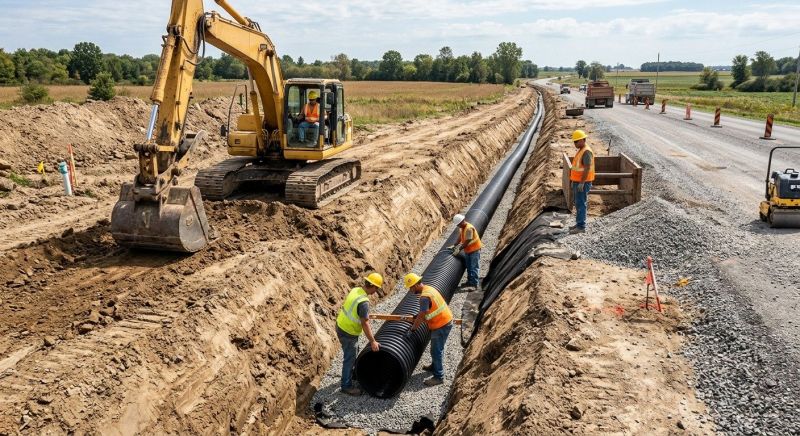
Drainage Trench Installation in Salt Lake City, UT
Drainage trench installation involves creating a shallow, narrow channel in the ground to direct excess water away from areas prone to flooding or pooling. This service is commonly used in landscaping projects, around foundations, or in yards where proper water management is needed to prevent water damage, erosion, or standing water. Property owners typically want to understand the materials used, the appropriate placement of trenches, and how the system will effectively manage water runoff to protect their property during heavy rains or snowmelt.
Before requesting drainage trench installation, homeowners should consider the layout of their property, existing drainage issues, and the desired outcome for water management. It’s helpful to know the location of underground utilities, the slope of the land, and any existing drainage systems that may impact installation. Clear communication about these factors ensures the trench system will function properly and meet the specific needs of the property.
Many property owners in Salt Lake City, UT look into Drainage Trench Installation for repairs, replacements, upgrades, and appearance-related improvements.
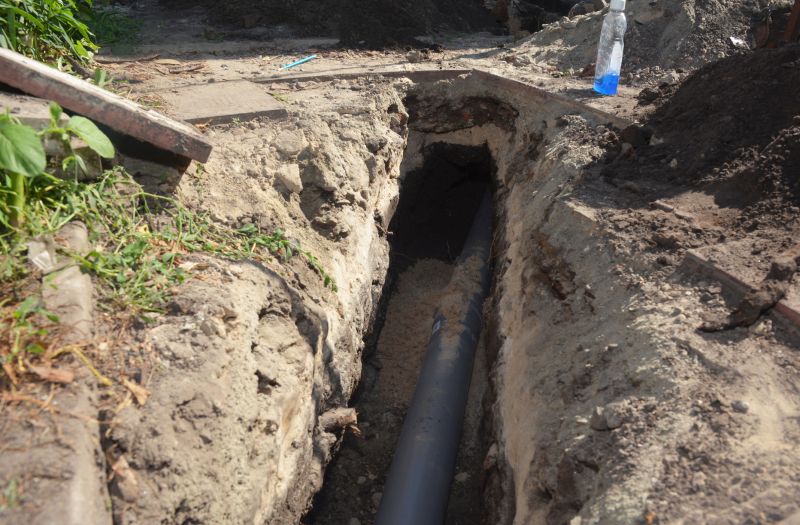
Drainage Trench Benefits
Proper drainage trenches help prevent water accumulation and protect property foundations.
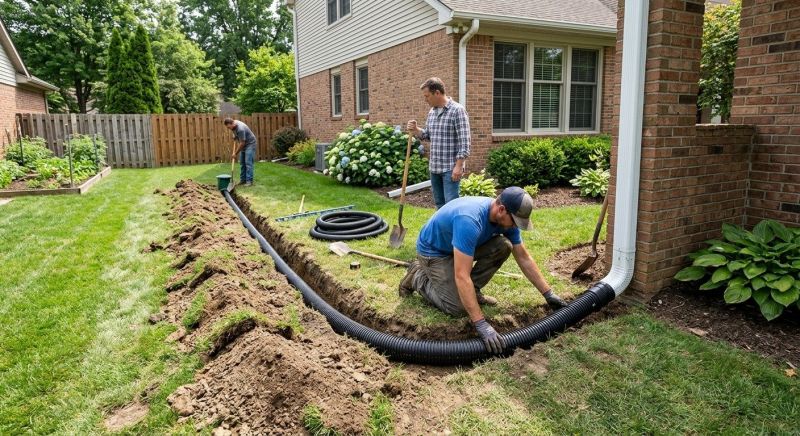
Common Installation Projects
Drainage trenches are often installed around driveways, gardens, and building perimeters to manage runoff.
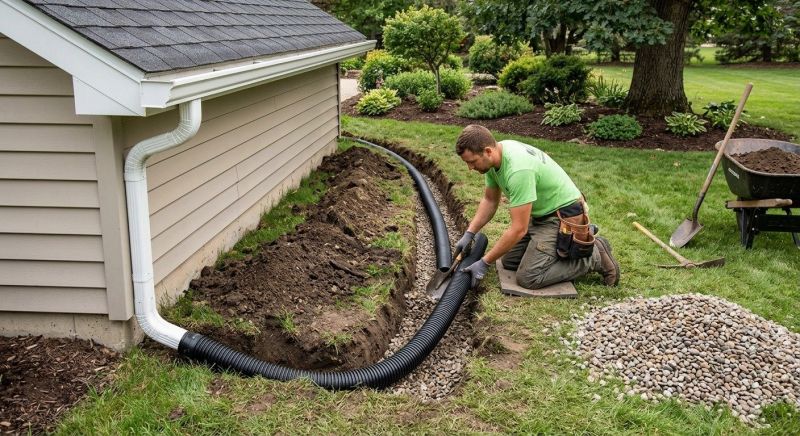
Key Considerations
Proper slope and placement are essential for effective drainage and long-term performance in salt lake city, ut.
Drainage Trench Installation in Salt Lake City, UT
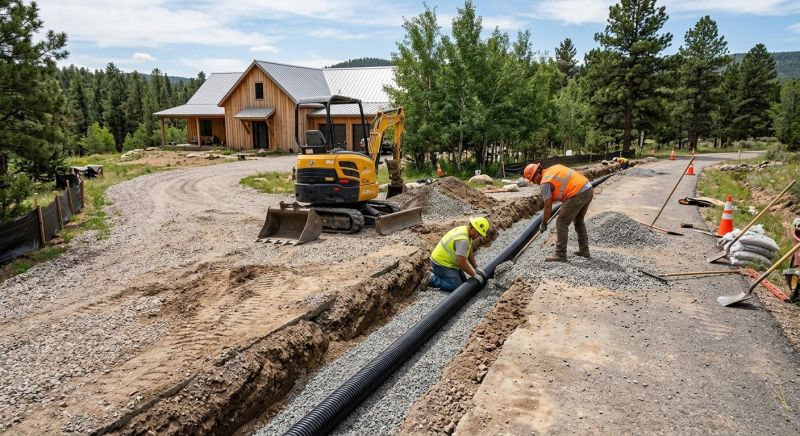
Drainage trench installation involves creating a shallow, narrow channel in the ground to direct excess water away from areas prone to flooding or pooling. This service is commonly used in landscaping projects, around foundations, or in yards where proper water management is needed to prevent water damage, erosion, or standing water. Property owners typically want to understand the materials used, the appropriate placement of trenches, and how the system will effectively manage water runoff to protect their property during heavy rains or snowmelt.
Before requesting drainage trench installation, homeowners should consider the layout of their property, existing drainage issues, and the desired outcome for water management. It’s helpful to know the location of underground utilities, the slope of the land, and any existing drainage systems that may impact installation. Clear communication about these factors ensures the trench system will function properly and meet the specific needs of the property.
Many property owners in Salt Lake City, UT look into Drainage Trench Installation for repairs, replacements, upgrades, and appearance-related improvements.
Common Drainage Trench Installation Jobs
Drainage trench installation helps redirect excess water away from foundations and landscaping.
Stormwater management solutions prevent flooding and soil erosion around the property.
Yard drainage improvements reduce standing water and improve lawn health.
French drain systems provide effective underground drainage for water runoff.
Surface drainage solutions help manage water flow across driveways and walkways.
Erosion control trenches protect slopes and prevent soil loss during heavy rains.
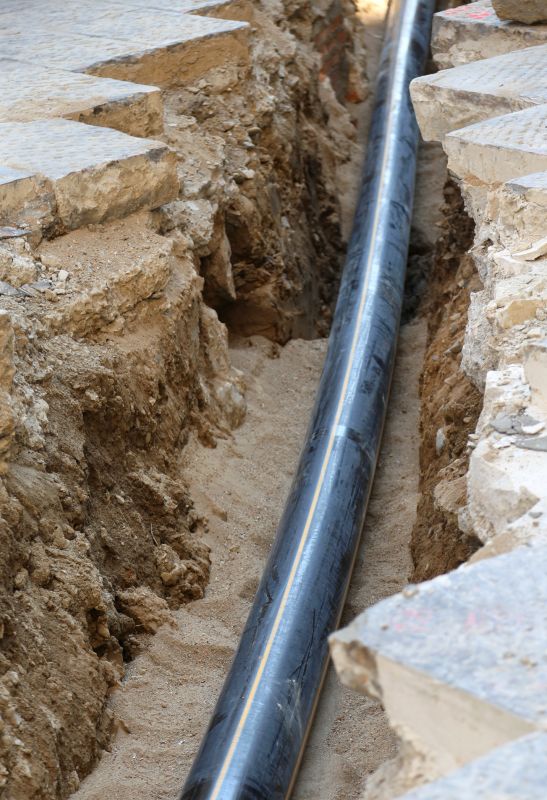
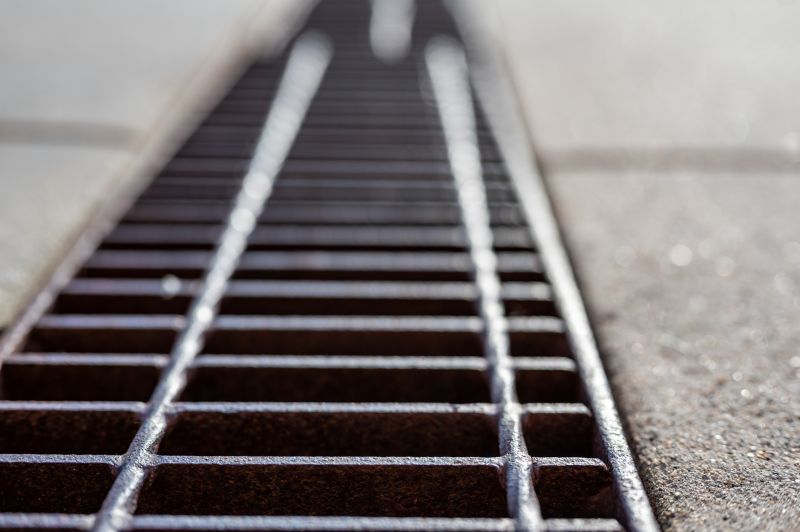
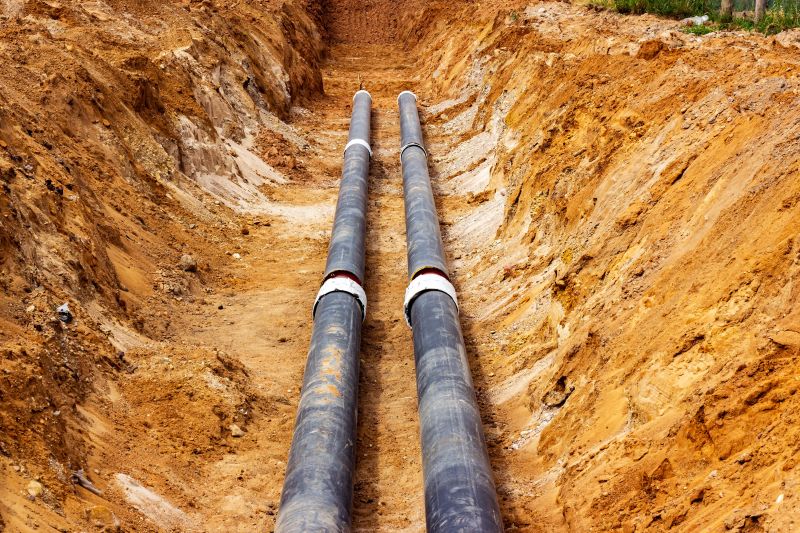
Drainage Trench Installation Questions
What is a drainage trench? A drainage trench is a shallow, excavated channel designed to redirect excess water away from foundations and landscaping.
When is installation of a drainage trench needed? It is typically installed to prevent water pooling, reduce erosion, or manage runoff around a property.
What materials are used for drainage trenches? Common materials include perforated pipes, gravel, and landscape fabric to facilitate effective water flow.
How does a drainage trench help property owners? It helps protect foundations, prevent flooding, and maintain proper drainage around the property.
Request Drainage Trench Installation in Salt Lake City, UT
Use the quote form on this page to share the basics of your project and request more information for the type of work you need.