Ditch Repair in Atlanta, GA
Ditch repair services focus on restoring and maintaining the integrity of underground drainage systems, ensuring proper water flow and preventing potential property damage. These services typically cover projects such as fixing broken or collapsed ditches, clearing blockages, repairing leaks, and replacing damaged sections of drainage channels. Homeowners often seek ditch repair to address issues like standing water, erosion around the property, or signs of deterioration that could compromise landscaping or foundation stability.
Before requesting ditch repair, property owners usually want to understand the extent of damage, the causes of the issues, and the best solutions for long-term performance. It's helpful to consider the age of existing drainage systems, recent weather patterns that may have impacted the area, and any visible signs of trouble such as water pooling or soil erosion. Clear information about the project's scope and the condition of the current drainage can assist in planning effective repairs that protect the property’s landscape and structural integrity.
Many property owners in Atlanta, GA look into Ditch Repair for repairs, replacements, upgrades, and appearance-related improvements.
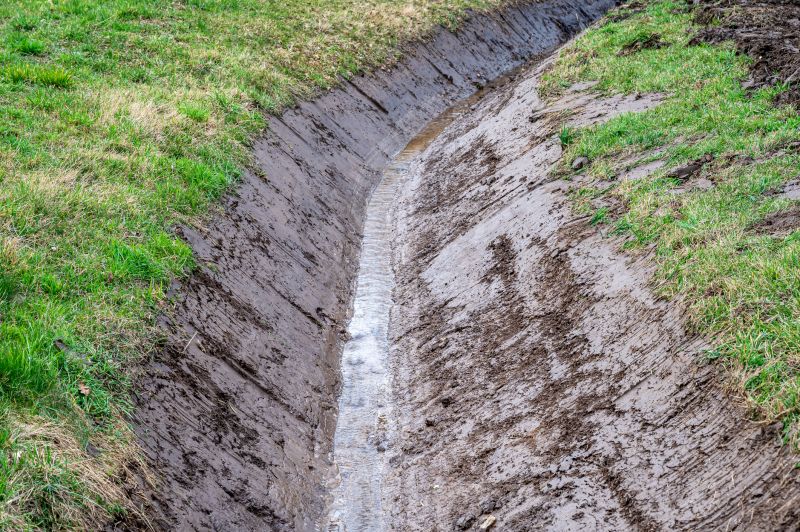
Common Ditch Damage
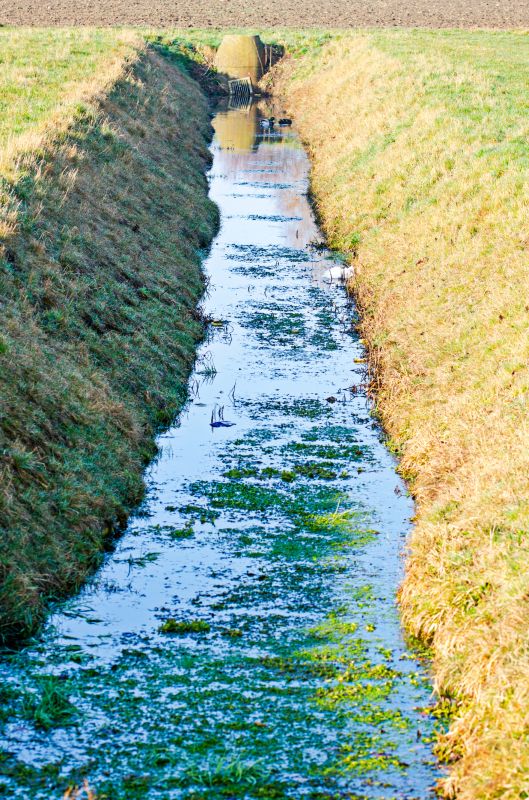
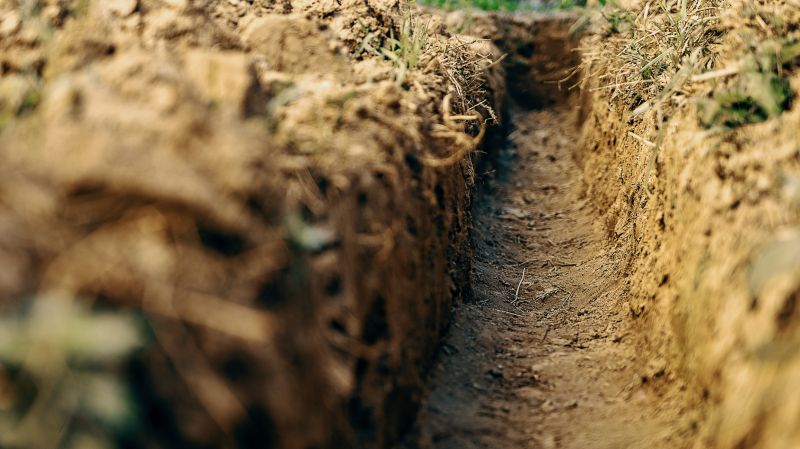
Ditches can suffer from erosion, cracks, and blockages that affect drainage.
Repair Techniques
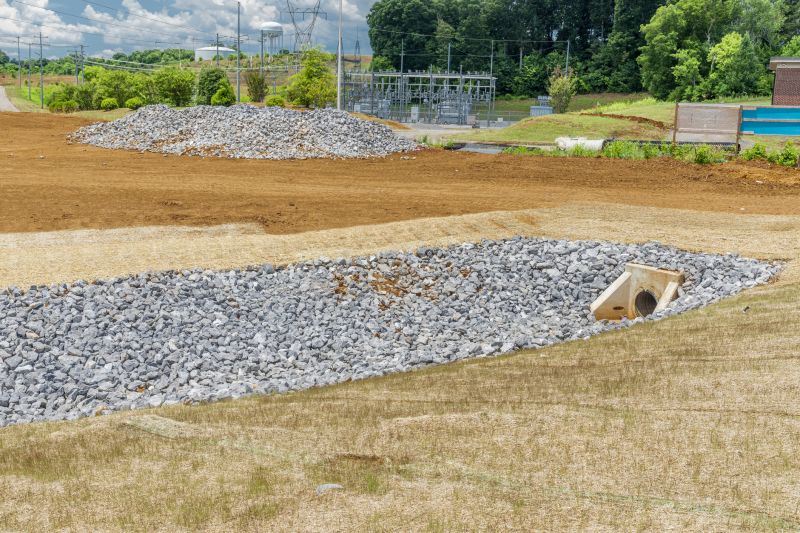
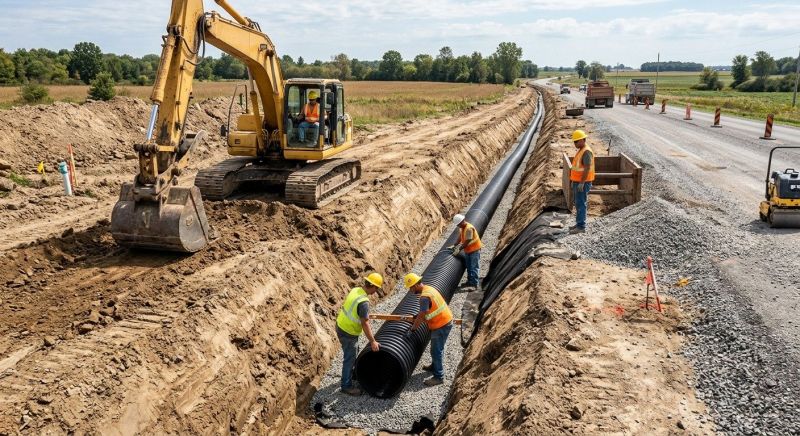
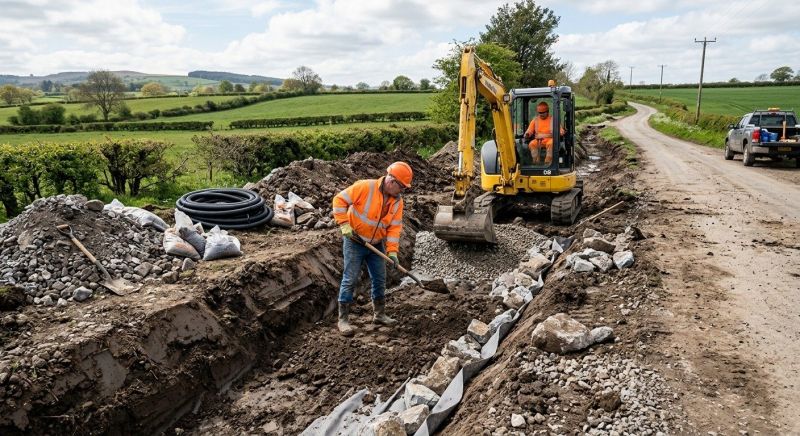
Restoration methods include patching, regrading, and replacing damaged sections to restore proper flow.
Maintenance Tips
Regular inspections and clearing debris help prevent future issues with your drainage ditches in atlanta, ga.
Ditch Repair in Atlanta, GA
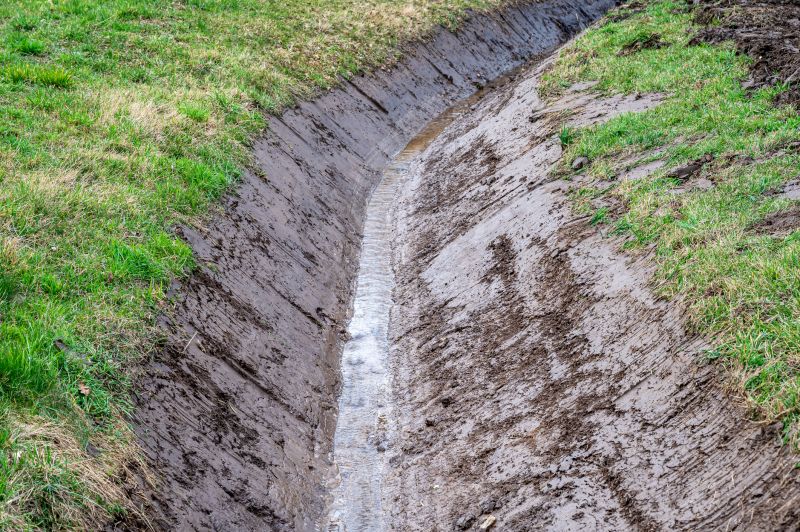
Ditch repair services focus on restoring and maintaining the integrity of underground drainage systems, ensuring proper water flow and preventing potential property damage. These services typically cover projects such as fixing broken or collapsed ditches, clearing blockages, repairing leaks, and replacing damaged sections of drainage channels. Homeowners often seek ditch repair to address issues like standing water, erosion around the property, or signs of deterioration that could compromise landscaping or foundation stability.
Before requesting ditch repair, property owners usually want to understand the extent of damage, the causes of the issues, and the best solutions for long-term performance. It's helpful to consider the age of existing drainage systems, recent weather patterns that may have impacted the area, and any visible signs of trouble such as water pooling or soil erosion. Clear information about the project's scope and the condition of the current drainage can assist in planning effective repairs that protect the property’s landscape and structural integrity.
Many property owners in Atlanta, GA look into Ditch Repair for repairs, replacements, upgrades, and appearance-related improvements.
Common Ditch Repair Jobs
Drain pipe repairs - fixing leaks, cracks, or blockages in your home's drainage system.
Pipe replacement - upgrading damaged or aging pipes to prevent future issues.
Clog removal - clearing stubborn blockages to restore proper flow.
Septic line repair - addressing issues with septic system pipes to prevent backups.
Leak detection - identifying hidden leaks that can cause water damage and mold.
Drain cleaning - removing buildup to improve drainage efficiency and prevent clogs.
Ditch Repair Questions
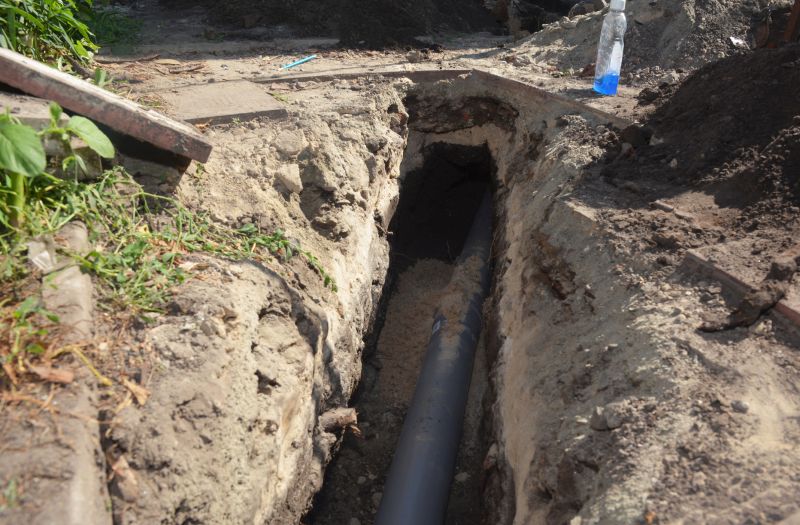
What causes a ditch to need repair? Ditches may require repair due to erosion, clogging, or damage from heavy rain and soil shifting over time.
What types of damage can be fixed in a ditch? Common issues include broken or collapsed sections, sediment buildup, and uneven grading that affects drainage.
How does repair improve drainage? Repairing a ditch restores proper flow, preventing water pooling and reducing the risk of property damage caused by standing water.
What are common signs that a ditch needs attention? Signs include water pooling where it shouldn't, visible erosion, or debris blocking the flow of water through the ditch.
Request Ditch Repair in Atlanta, GA
Use the quote form on this page to share the basics of your project and request more information for the type of work you need.